- by foxnews
- 21 Jul 2026
Birth tourism fight shifts to US 'tropical maternity ward' with history of Chinese exploitation
Rep. Morgan Griffith's bill targets birthright citizenship in four U.S. territories, citing Insular Cases precedent after the Supreme Court's ruling.
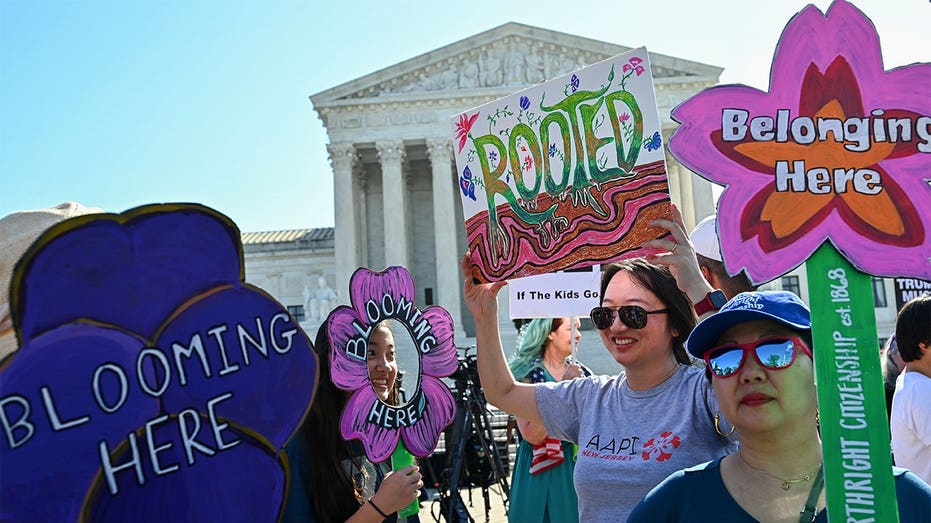
The congressional fight over birthright citizenship shifted to the U.S. territories this week after the Supreme Court struck down President Donald Trump's effort to deny citizenship to children born in the United States to parents who are unlawfully or temporarily present.
"The 'Barbara' decision leaves open the door for Congressional action on citizenship in the American territories," Griffith said in introducing the End Birthright Citizenship for Territories Act, referring to the Supreme Court's recent birthright citizenship ruling.
"Because of the current birthright laws in place in the territories, any child born in a U.S. territory minus American Samoa, regardless of a parent's nationality, accesses U.S. citizenship automatically."
"This bill should stop the so-called 'birth tourism' that is taking place in the American territories," Griffith said.
Congress established birthright citizenship in most territories by statute, and Griffith argues it therefore has the authority to revise those laws.
After the federal government assumed control of CNMI immigration in 2009, DHS used parole authority to permit eligible Chinese and Russian visitors to enter the islands without visas - a policy critics say facilitated birth tourism.
Residents of the five inhabited territories cannot vote in the presidential general election while living there, though they participate in party presidential nominating contests. Guam, the Virgin Islands, American Samoa and CNMI elect House delegates, while Puerto Rico elects a resident commissioner. None may vote on final passage of legislation on the House floor.
Griffith's bill relies partly on the Insular Cases, a group of early-20th-century Supreme Court decisions addressing how constitutional protections apply in U.S. territories.
Lower courts later applied that territorial framework in citizenship cases, including the D.C. Circuit's 2015 decision in Tuaua v. United States, which held that the Citizenship Clause does not confer birthright citizenship on people born in American Samoa.
Asked about Griffith's bill and the recent reports on birth tourism in her territory, Del. Kimberlyn King-Hinds, R-CNMI, said she supports securing U.S. borders and stopping anyone who "tries to abuse America's immigration laws."
"If someone is exploiting our immigration system, they should be prosecuted to the fullest extent of the law. I have zero tolerance for fraud or abuse," King-Hinds said.
However, she claimed Griffith's bill is targeting the wrong people - noting the 2009 shift in territorial immigration authority to the federal government.
King-Hinds said that with people admitted to CNMI under federal oversight, Congress should strengthen enforcement rather than "single-out" Americans living there.
King-Hinds said CNMI has a unique relationship with the mainland through what is called its "Covenant" - a negotiated agreement she said deserves "careful consideration" before Congress adjusts rights granted to people born there.
"I am also deeply concerned about creating one standard of citizenship for Americans born in the fifty states and another for Americans born in the territories. The people of the CNMI have disproportionately and proudly served in our Armed Forces, contributed to this nation, and lived as loyal Americans for generations. They should not become the testing ground for policies that Congress cannot or will not apply elsewhere."
"I stand ready to work with my colleagues to accomplish those goals, but I will always fight to protect the rights of the people of the Northern Mariana Islands," she said.
Fox News Digital also reached out to Dels. Stacey Plaskett, D-V.I., Pablo Jose Fernandez, D-P.R., and James Moylan, R-Guam, for comment.
In the 2022 case United States v. Vaello Madero, the Supreme Court upheld Congress' exclusion of Puerto Rico residents from the Supplemental Security Income program. Justice Neil Gorsuch agreed with the judgment but wrote separately to argue that the Insular Cases should be overruled.
"A century ago in the Insular Cases, this court held that the federal government could rule Puerto Rico and other territories largely without regard to the Constitution. It is past time to acknowledge the gravity of this error and admit what we know to be true," Gorsuch wrote - potentially setting up another court battle, should Griffith's bill gain further steam.
Other critics have countered that if territorial residents want full rights, they should actively pursue statehood as Alaska and Hawaii did in the modern era.
Griffith's proposal could force Congress and the courts to confront how much authority lawmakers retain over citizenship rules in the territories.
Fox News Digital's Robert Schmad contributed to this report.
you may also like
- by foxnews
- 21 Jul 2026
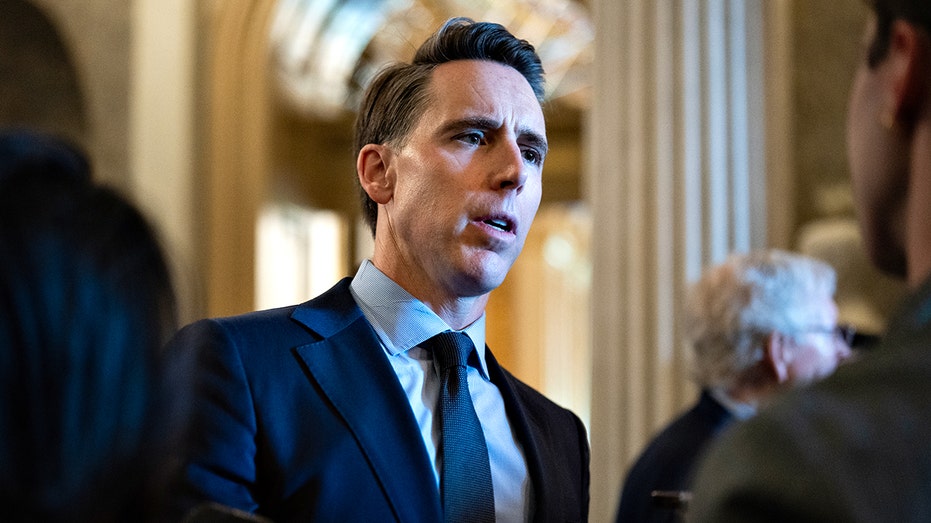
Hawley sends criminal referral of 'left-wing dark-money' group over mailed abortion drugs



travel
- by foxnews
- descember 09, 2016
Tourist's church clothing hack leaves travelers sharply divided over sacred-site etiquette
A viral TikTok video shows a traveler layering on a skirt and scarf before entering churches in Italy, sparking heated debate over tourist etiquette at sacred sites.
read more