- by foxnews
- 18 Aug 2026
Ancient mummy DNA reveals chilling clue to deadly disease that swept the Americas
Raising new questions about how the virus spread, ancient DNA from Chilean mummies provides the strongest genetic evidence to date that European colonization brought smallpox to the Americas.
The recent research, published in the journal Science, centers on Chilean mummies whose ancient DNA yielded evidence of smallpox infections dating to the early colonial period.
They then uncovered evidence of two smallpox infections in one man and one woman believed to have died between 1492 and 1631.
The research raises questions about how the virus traveled so far south.
Smallpox, which was eradicated in 1980 and no longer naturally circulates, was once one of the world's deadliest diseases.
It killed roughly one-third of those infected.
Those who survived the disease were often left disfigured and scarred.
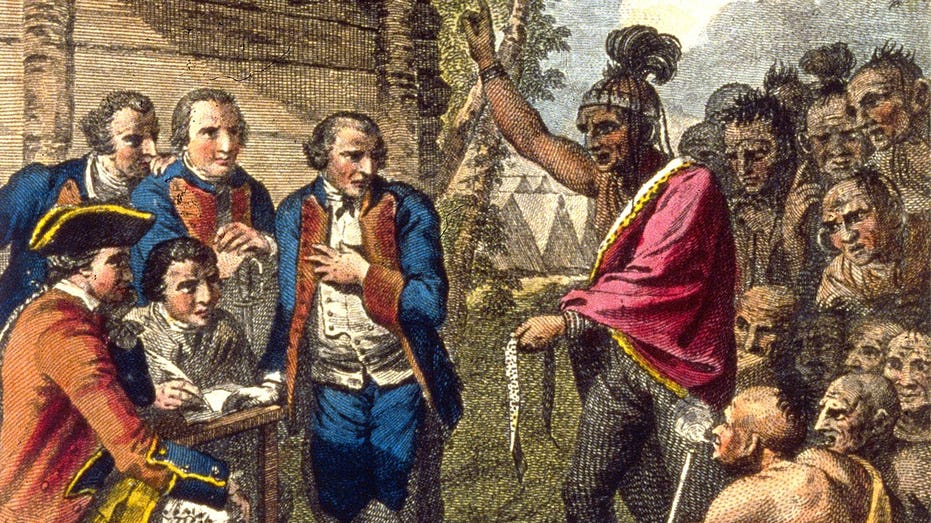
Smallpox devastated Native populations after Europeans arrived in the Americas - and researchers are still unsure exactly who first brought the virus or how it spread across the continents.
The virus may have spread through long-established Native trade networks, while researchers say it also could have passed through Africa amid the expansion of the slave trade.
Patricia Foster, a biologist at Indiana University who was not involved in the research, told The Associated Press (AP) that the findings provide genetic proof of something historians have long understood.
"Nobody would ever question that smallpox came to this hemisphere from colonization, but this proves it," said Foster.
The discovery is the latest example of DNA offering new clues about diseases and deaths that have puzzled researchers for centuries.
The Associated Press contributed reporting.
you may also like


- by foxnews
- 18 Aug 2026
Flight canceled after toddler refused to buckle seat belt, stranding passengers overnight

- by foxnews
- 18 Aug 2026
Author Dinesh D'Souza challenges Bible skeptics with 'startling' archaeological discoveries



travel
- by foxnews
- descember 09, 2016
World's largest motorcycle rally roars into Sturgis as bikers flood tiny US town
The 86th Sturgis Motorcycle Rally is drawing 500,000 riders to South Dakota's Black Hills with Lainey Wilson headlining and new Harley-Davidson debuts.
read more