- by foxnews
- 04 Oct 2026
Noah's Ark mystery enters new phase as researchers probe deep beneath site
In new developments, Noah's Ark researchers drilled over 60 feet into Turkey's Durup?nar site and say they found no solid rock beneath the boat-shaped formation.
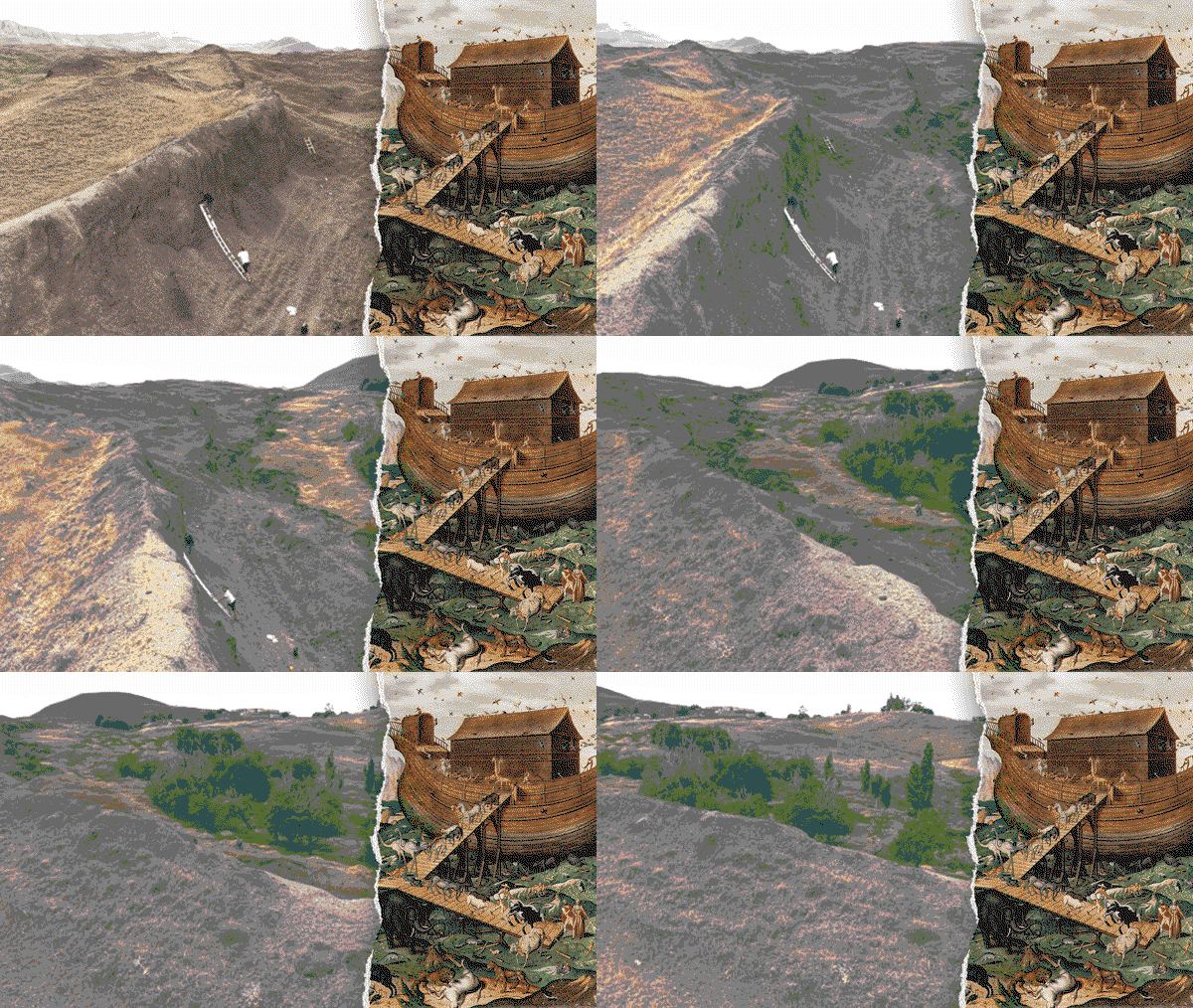
The Noah's Ark Research Project, supported by Ağrı İbrahim Çeçen University, has spent the last year collecting soil samples at the Durupınar site near Mount Ararat in eastern Turkey.
First identified in 1959, the boat-shaped formation has long-drawn speculation over a possible connection to Noah's Ark, though geologists have argued it is a natural formation.
In a 1996 paper, geologists Lorence Gene Collins and David Franklin Fasold rejected claims that the formation was Noah's Ark, concluding instead that it was "a natural rock structure."
During the latest field season, researchers collected over 300 soil samples from varying depths inside and outside the formation, Noah's Ark Research Project vice president Andrew Jones told Fox News Digital.
The researchers hope the analysis will help determine whether there are signs of human activity or materials consistent with decayed wood beneath the formation.
Those samples, he said, contained three times more organic matter inside the site, along with 38% more potassium and differences in pH.
"Near [the] surface, we're seeing a difference in the soil," Jones said of the earlier results. "Let's go deeper this year and see what we can find."
Jones said the team believes its drilling results raise questions about some previous explanations of the site as a natural rock formation.
Although the team encountered boulders in some locations, Jones said researchers did not find a consistent, solid block of rock beneath the formation.
"We're still studying our results, but we believe that this should give [skeptics] pause when they say this is a rock formation," Jones said.
The pottery had been tentatively dated by its style from the early Chalcolithic, or Copper Age, through the Iron Age, he added.
Jones said there are two ancient settlements near the formation and suggested their proximity could be significant if the site were ultimately connected to Noah's Ark.
"You can connect the dots," Jones said, though he noted that the nearby settlement has not been excavated. "If this is Noah's Ark, we have people living right beside it early on."
He also said he understood why some remained skeptical of the project.
"I can understand because I have friends who are atheists or agnostic, and they think that I'm looking for Santa's house or something," he said.
The expert stressed that the team's field work was complete but that laboratory analysis was still underway before broader conclusions could be drawn.
"We still have the lab work to do," Jones said. "And I hope everyone can follow along and see what we find."
you may also like

- by foxnews
- 04 Oct 2026
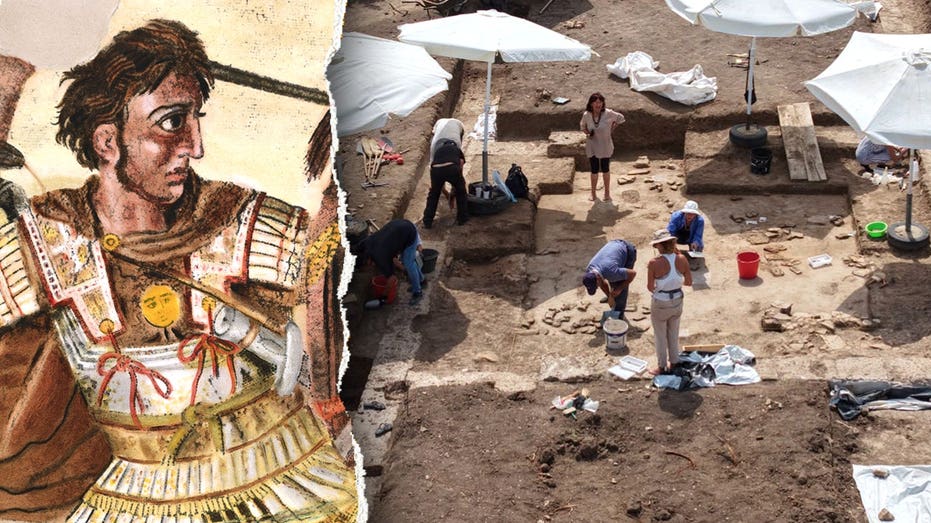
School tied to history's greatest ruler reveals clues about his life before he rose to power
- by foxnews
- 04 Oct 2026
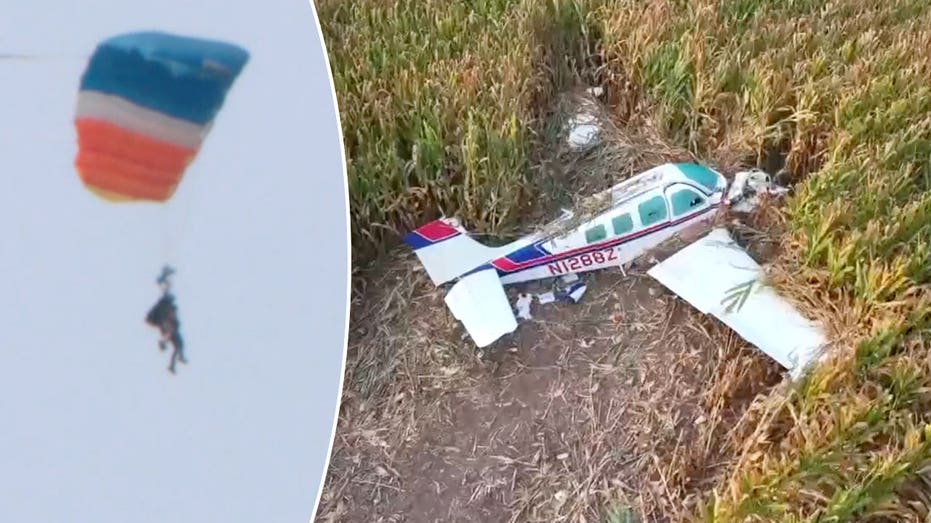
Skydivers watch plane vanish from sight, make split-second decision to jump



travel
- by foxnews
- descember 09, 2016
Sudden cruise itinerary change leaves some travelers upset, others celebrating 'gigantic win'
Royal Caribbean's Icon of the Seas' Costa Maya cruise stop was suddenly canceled after maintenance delays in Miami. Some passengers were disappointed as others applauded.
read more