- by foxnews
- 04 May 2026
JetBlue lawsuit raises airline pricing questions
A proposed class action lawsuit claims JetBlue used tracking tools to monitor browsing activity and adjust flight prices without customer consent.
- by foxnews
- 03 May 2026
- in technology
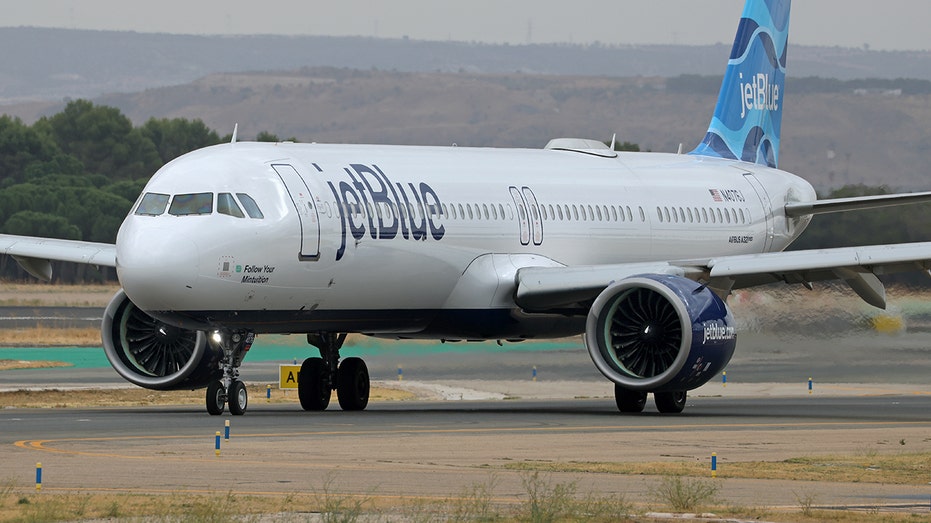
Booking a flight can feel like a guessing game. You search once, spot a decent price, come back later and suddenly it is higher. Most people shrug and assume demand changed. Now, a new lawsuit against JetBlue is challenging that idea.
JetBlue strongly disputes the allegation. The airline says fares depend on demand and seat availability, not personal browsing behavior. Still, the case taps into a growing concern that goes far beyond one airline.
Sign up for my FREE CyberGuy Report
It also claims that when a user searched for a flight, left the site and later returned to complete the booking, the fare increased. The filing suggests this may have been tied to tracking technology rather than normal pricing changes.
The airline disputes these claims. In a public statement, JetBlue said it does not use personal data or browsing history to set individual prices and that all customers have access to the same fares at the same time.
CyberGuy reached out to JetBlue for additional comment, but did not hear back before our deadline.
The lawsuit centers on a concept called surveillance pricing. That refers to companies using personal data to adjust prices for different people. Surveillance pricing extends beyond airlines. It has become a broader concern as more companies rely on AI and advanced analytics.
In theory, two people could search for the same flight at the same time and see different prices based on factors like location, device type or browsing history. Companies rarely confirm this practice outright, but consumer advocates have raised concerns for years.
Airlines have long used dynamic pricing, which changes fares based on demand. The key question here is whether personal data plays a role in that calculation.
While airlines say this improves efficiency, it can also make pricing feel less predictable to the average traveler. That is what makes the current lawsuit stand out. It raises the question of whether AI-driven pricing could go a step further by factoring in more detailed data about how people search and book, something airlines like JetBlue say they do not use for individual pricing.
Part of the lawsuit points to a social media exchange that quickly drew attention. A customer posted about a $230 jump in ticket price after checking a flight the day before while trying to book travel for a funeral.
In response, JetBlue suggested clearing cookies or using an incognito window. The comment was later deleted. According to the lawsuit, that response appeared to acknowledge that browsing behavior could influence pricing.
Even so, the exchange struck a nerve. For many travelers, it reinforced a long-standing suspicion that repeated searches or personal data might affect what they pay, even as airlines deny using that information for pricing.
Before assuming the worst, it helps to understand how airline pricing works today. Airlines use complex systems that adjust fares constantly. Prices can change within minutes based on demand, available seats, route popularity and competitor pricing.
If a flight starts filling up, the price usually rises. That means a price jump after you return to a search does not automatically point to tracking. It could simply reflect someone else booking a seat or increased demand.
Still, the lawsuit raises a valid concern about transparency. Travelers rarely know what factors are driving the price they see.
JetBlue says it does not tailor prices based on your digital footprint. According to the airline, you are not paying more because you searched twice or used a specific device. Instead, fares shift based on broader factors like seat availability, timing and demand on a route.
That said, prices can still feel unpredictable. Comparing options across platforms remains one of the best ways to avoid overpaying. Acting quickly when you find a fare you like can also make a difference, especially on popular routes.
If you are concerned about tracking, simple steps like using private browsing or switching devices may help limit how much of your activity is visible during repeated searches.
Some travelers also use a VPN to mask their location. While airlines like JetBlue say pricing does not depend on personal data like IP address or browsing history, a VPN can still add a layer of privacy by reducing how much information is shared during the booking process.
Think your devices and data are truly protected? Take this quick quiz to see where your digital habits stand. From passwords to Wi-Fi settings, you'll get a personalized breakdown of what you're doing right and what needs improvement. Take my Quiz here: CyberGuy.com
Are you comfortable with surveillance pricing, or does it cross a line for you? Let us know by writing to us at CyberGuy.com
Sign up for my FREE CyberGuy Report
Copyright 2026 CyberGuy.com. All rights reserved.
you may also like

- by foxnews
- 04 May 2026
United Arab Emirates plans AI-run government within two years
- by foxnews
- 03 May 2026
JetBlue lawsuit raises airline pricing questions




travel
- by foxnews
- descember 09, 2016
Massive new cruise ship unveils jaw-dropping outdoor theme park in middle of the ocean
MSC Cruises unveils plans for an over-water swing ride called Cliffhanger aboard MSC World Asia, billed as Europe's first of its kind at sea.
read more