- by foxnews
- 27 May 2026
Woman loses nearly $10K in jury duty crypto scam
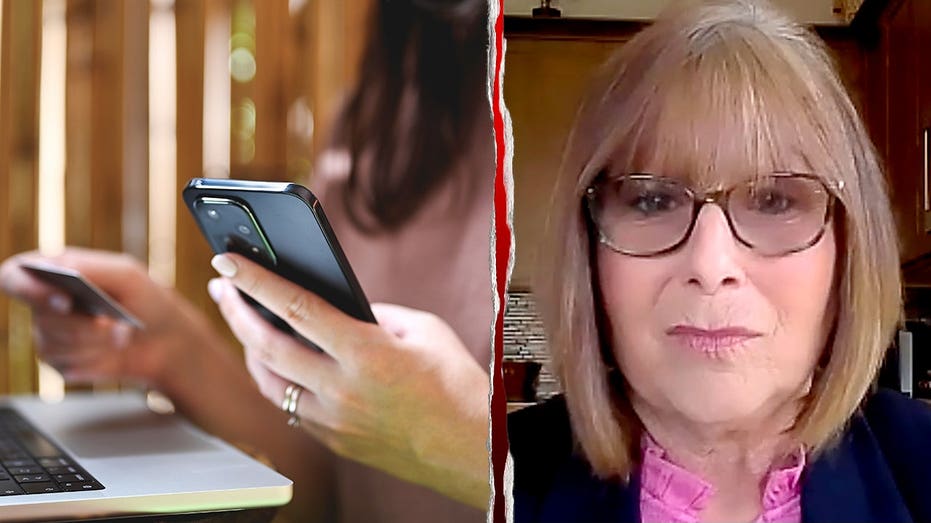
Gail Barr was tricked into paying $9,260 through a Bitcoin ATM in a jury duty scam on her 70th birthday. Arizona's new crypto kiosk law saved her.
- by foxnews
- 27 May 2026
- in technology
Sign up for my FREE CyberGuy Report
Gail said she was transferred to someone who claimed to be Police Captain John Bailey. He gave her a badge number. He also told her she had been hand-selected for a grand jury case because of her medical background. That detail hit hard. Gail had worked in nursing and as a nurse practitioner. So the story felt possible.
Scammers know how to use fear. They also know how to use pieces of real information to make a lie sound believable. That is what happened to Gail. The caller used the names of real people. He knew enough about her work to make the story fit. He also sounded calm and official.
Gail said there were "no accents involved" and that the call sounded "totally legit." When I asked her if it was a legitimate call, Gail's answer was direct. "Not at all," she said. Still, in the moment, the pressure worked. "Something seemed a little weird, I think, but I just kept going because I was frightened," Gail said. That is the part scammers count on. They want you scared enough to act before you think.
The caller claimed they needed to make sure she did not "skip town." He also told her not to tell the bank why she needed the cash. That is one of the biggest red flags in this entire story. Gail withdrew the money. Then she went to the crypto kiosk. The scammer sent her an official-looking barcode that appeared to come from the Maricopa County Sheriff's Office.
She scanned it and fed the cash into the machine. "We had to do it, like, five different times because there was a limit to how much you could put in at once," Gail said. "I was getting very tired. I was so tired." By the end, Gail had deposited $9,260. "And that was money that I had worked for," Gail said. "I went back to work to help pay for my son's medical bills."
After Gail sent the money, the scammer told her to go to the sheriff's department. Then he suddenly claimed there was another problem. This time, he said Gail had a federal citation. He wanted another $12,000. Gail said she did not have that much money. So the scammer lowered the demand to $3,000 and sent her to another bank. That second bank visit saved her from losing more.
The bank manager asked what the money was for. Gail gave the excuse that the scammer had told her to use. Then the manager asked whether she planned to give the money to her son that day. That question broke through the fear. Gail said no. The manager took her aside and talked with her. He knew something was wrong.
After Gail realized what had happened, she went home and told her husband and son. She also contacted a local news reporter. That is how Gail learned about Arizona's Cryptocurrency Kiosk License Fraud Prevention law. "It went into effect a month before my scam," Gail said. "And what it does is it protects people like myself who have been scammed to get all of their money back."
States publicly identified in AARP reporting and related coverage as having enacted crypto ATM protections, restrictions, or bans include: California, Connecticut, Arizona, Colorado, Illinois, Indiana, Iowa, Nebraska, Tennessee, Vermont, and Wisconsin.
Some states regulate the machines instead of banning them. Others limit daily deposits, require warning signs or force operators to help refund fraud victims. California and Connecticut were among the first states to pass crypto ATM laws in 2023. Vermont extended a moratorium on new crypto kiosks to July 1, 2026. Nebraska passed statewide legislation in 2025. Iowa passed a crypto kiosk consumer protection law in 2025.
This scam had several warning signs. Knowing them can help you stop the same trick before it drains your account.
Real courts do not demand instant payment over the phone to make an arrest warrant disappear.
Scammers do this so you cannot call family, police or the real court.
A real law enforcement officer will not tell you to lie about why you need cash.
Scammers often use public information to make the lie feel real.
They want you scared, tired and rushed.
Here are the warning signs to watch for and the simple steps that can help you avoid falling for a jury duty scam.
A real court will not demand payment through cryptocurrency, gift cards, wire transfers or payment apps. That means any request to visit a Bitcoin machine should stop the conversation. The same goes for a caller who says the machine is a "bonding kiosk" or "federal kiosk." Those phrases are meant to make the scam sound official.
Call a spouse, an adult child, a friend, an attorney or a local court clerk before withdrawing money. A quick conversation can break the scammer's hold. Scammers often tell victims to stay on the phone to maintain control. They do not want you to hear a calm second opinion. If a caller says you cannot hang up, hang up anyway.
If you already sent money through a crypto kiosk, speed matters. Acting quickly can help you document the fraud, secure your accounts and possibly qualify for protections in your state.
Move quickly if you have already sent money through a crypto kiosk. Time can matter, especially in states with refund protections. Some state crypto ATM laws require victims to report the fraud within a set window. In Gail's case, Arizona's law required fast action, including a police report and contact with the kiosk operator.
Start with a police report. Ask for a copy or report number. You may need that report when you contact the crypto kiosk company, your bank, your state attorney general or any consumer protection agency.
Check the receipt or the machine for the crypto kiosk operator's contact information. Then report the fraud directly to the company. Share the transaction details, time, location, barcode or wallet address if you have it. Also, provide the police report number.
Report the scam to your state attorney general's office. This step can be especially important if your state has crypto kiosk protections or refund rules. Your state may also track complaints tied to specific kiosk operators. That can help investigators spot larger scam patterns.
Keep the receipt, barcode, phone number, voicemail, text messages and any names the caller used. Also, write down the address of the kiosk and the time of each transaction. Do not delete anything, even if it feels embarrassing. Those details may help law enforcement, the kiosk operator or your state consumer protection office review the case.
Contact your bank after the scam. Even if the crypto payment cannot be reversed, the bank can help protect your accounts. Ask about new debit cards, password changes, account alerts and extra verification steps. Also, review recent transactions for anything suspicious.
Sign up for my FREE CyberGuy Report
you may also like
- by foxnews
- 27 May 2026
Woman loses nearly $10K in jury duty crypto scam

- by foxnews
- 27 May 2026
Meta AI launches private Incognito Chat




travel
- by foxnews
- descember 09, 2016
Extreme depth made fatal cave dive perilous at luxury honeymoon destination
Authorities describe the recovery of five Italian divers killed in a deep Maldives underwater cave as extremely difficult due to the depth and the currents.
read more